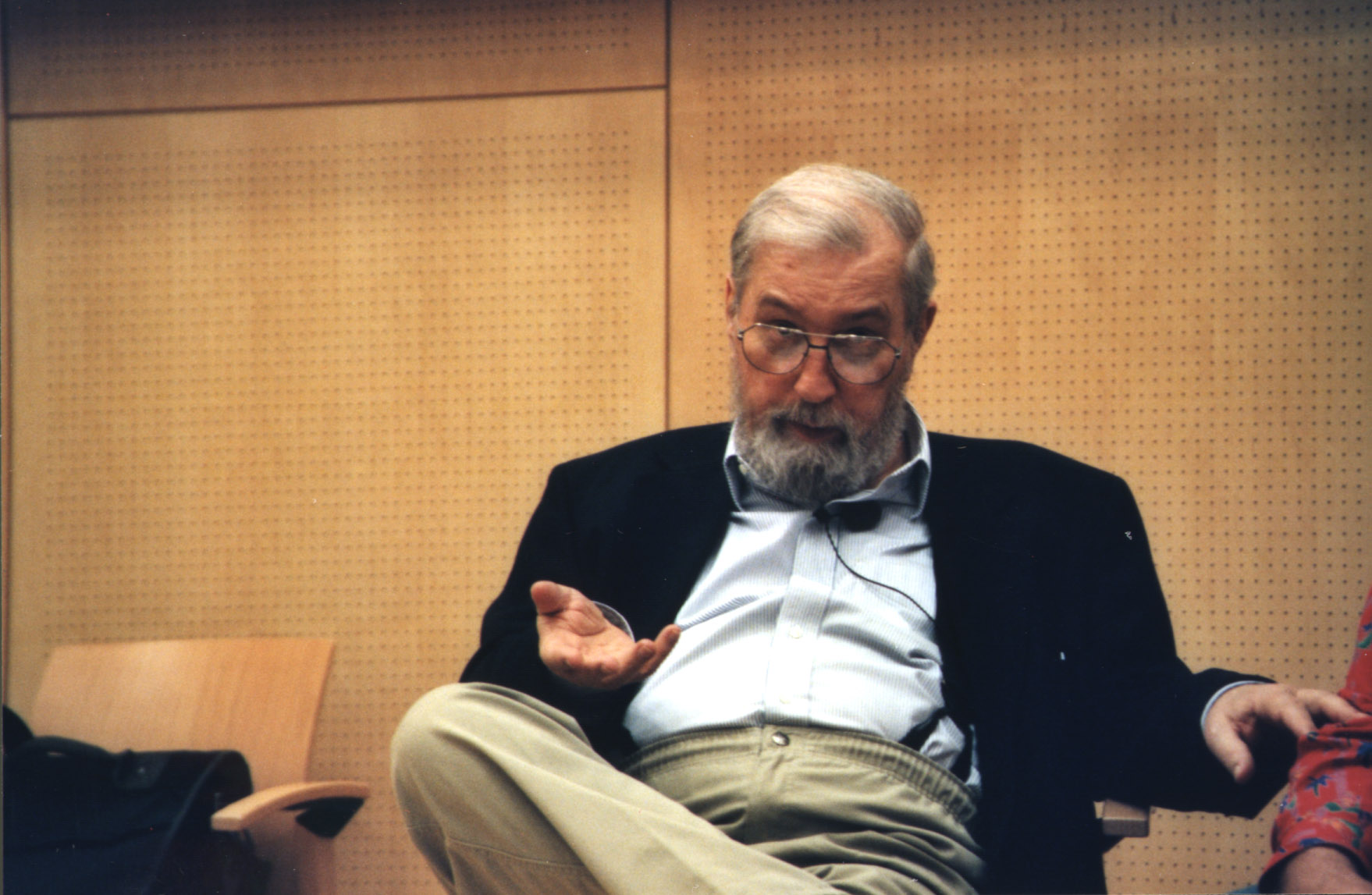
Since first meeting Frank Farrelly over two decades ago and inheriting his archive of work, I’ve taught both my own PCW model and his classic Provocative Therapy approach across sixteen countries. In my view there are few people that understand or can deliver Provocative Therapy training an dthere are many dreadful attempts where people miss the beauty and precision of Frank’s work. They often think its about being comedic, and don’t appreciate the many layers that are involved in the approach.
Most people are unfamiliar with Frank’s work, as it wasn’t well promoted until I met him in 2024. Those around Frank did little to bring his work to a wider audience, and then, after his passing, a few characters highlighted on the blocklist on this site seriously misrepresented his work. The challenge for most people wanting to study Provocative Therapy is that it’s more than just rolling out a series of techniques. There’s nothing wrong with techniques, but Provocative Therapy training requires a great level of attention and skill. I always laugh when sequences. I’ve given up explaining the elusive obvious and now ration my time to those who appreciate the need for ongoing CPD.

Direct and indirect work, it’s all about timing…
One challenge for students is working in the here and now and switching between direct and indirect communication approaches. Frank was a great storyteller, and many who attended his events (especially the NLP enthusiasts) found it impossible to track what Frank was doing. I have some sympathy, as when I saw him back in 2024, I was totally confused by what I was seeing and even more confused as a demo subject. That said, I loved the approach, and Frank changed my world.
.
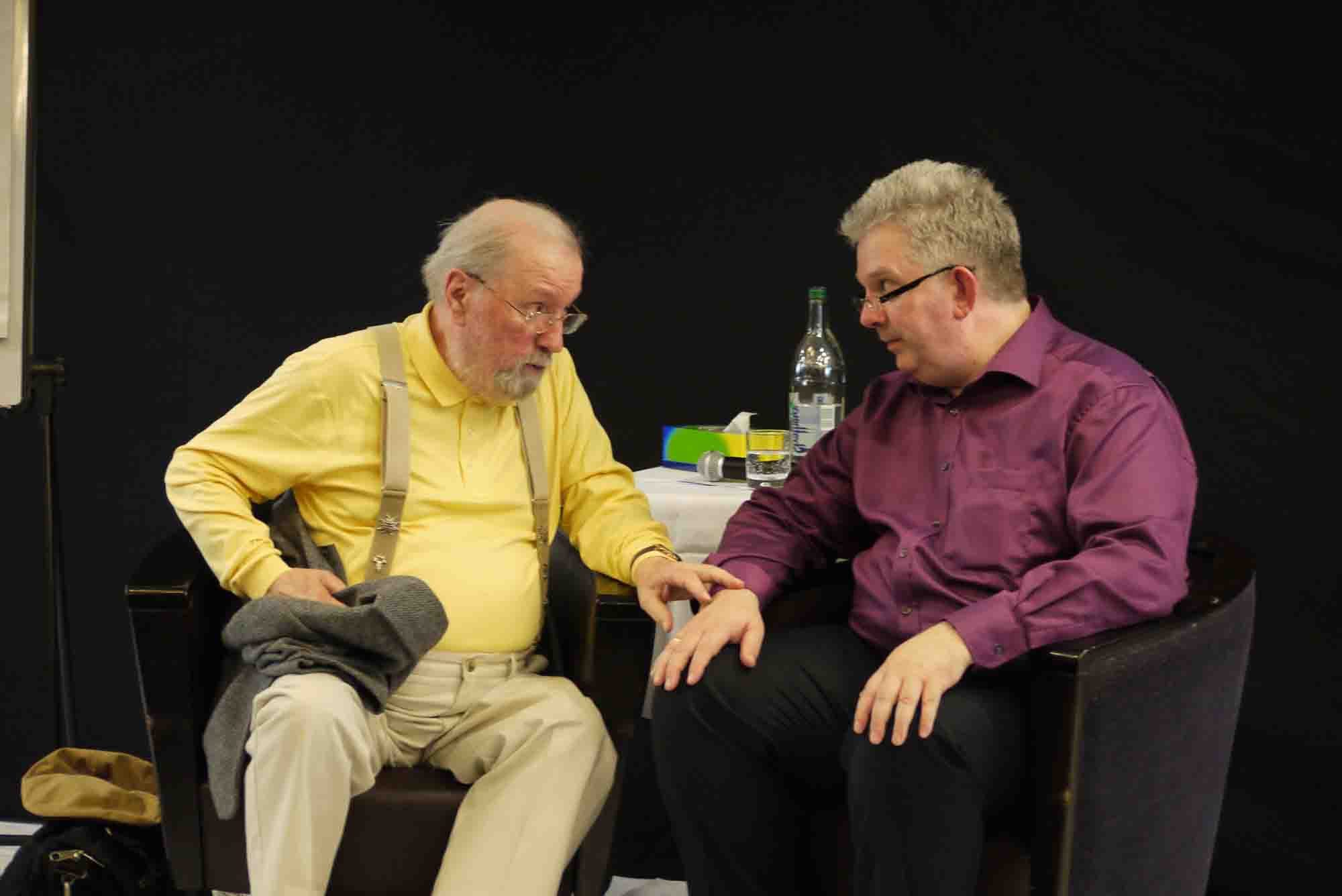
The challenge for traditional therapists and coaches
The challenge for traditional coaches and therapists is that Provocative Therapy is in many ways the polar opposite way of working with clients.
Frank Farrelly’s Provocative Therapy approach is fundamentally different to traditional talk therapy and personal change work. In most therapeutic and coaching exchanges, the opening question is almost always
“What do you want?”
This opening question can on the surface seem to be entirely reasonable, but it also sets a session frame that is not always entirely helpful.
- Firstly, many clients don’t know what they want as they are too immersed in the problematic way of thinking and feeling to feedback any useful information that forms the starting point for a session.
- The traditional strategy of setting up goals for a client can unwittingly become a limiting factor for the client. Often the client is stuck in a “digital, logical, sequential mode of thinking” and this approach does little to change that.
- The coach or therapist conducts the session “as if talking to an old friend” “Provocative” does therefor not mean “aggressive” although the coach or therapist will challenge the client’s current thinking.
- Rather than asking “What do you want” the coach or therapist asks
“What’s the problem”
The coach or therapist will then continue to encourage the client to maintain the problematic behaviour. This means that the old patterns of thinking that have maintained the “stuck state” are now challenged in a new way, often for the first time.
The coach or therapist works only in “the here and now,” responding to the client rather than using predetermined techniques or engaging in unhelpful analysis, which often does nothing useful or, at worst, reinforces the problem state.