

Nick Kemp talks about the Farrelly influence on creating Provocative Change Works
Recently, I was explaining to a colleague the difference between Provocative Therapy and the Provocative Change Works approaches. The Provocative Change Works approach is very different in several respects from Frank Farrelly’s Provocative Therapy, which is detailed in the original book of the same name, published in the mid 1970s.
Provocative Change Works uses the “provocative elements of communication” alongside metaphor exploration and hypnosis tools. In Provocative Therapy the coach works in a direct and indirect manner with clients. The same is true for PCW, but also, there’s a random element which does not exist in Frank’s classic work. This is where the coach introduces an entirely random element into the conversation, interrupting the client’s thinking.
Although Frank does not describe what he does in Provocative Therapy as “hypnosis”, many clients report going into “trance-like states” This was certainly my experience when I first met him in 2004 and had my first interview with him.
Provocative Change Works’ (PCW) Content
In Provocative Change Works I combine Ericksonian hypnotic patterns with elements of Provocative Therapy. I have found this combination of tools to produce the fastest, most successful and lasting results when working with clients.
In classic Provocative Therapy the therapist will start the session with the question “What’s the problem?” In Provocative Change Works, I may use this approach during the session, but not always at the start of the session.
In private practice, I ask clients to complete a set of notes prior to seeing me in person, and then begin the session by implementing “yes sets” to set the direction of the interview. Provocative Therapy also does not formally use submodality work as found in NLP to change client states, but the Provocative Change Works approach does use this tool set alongside provoking the client while taking note of the different rep systems the client is using to feed back his or her responses.
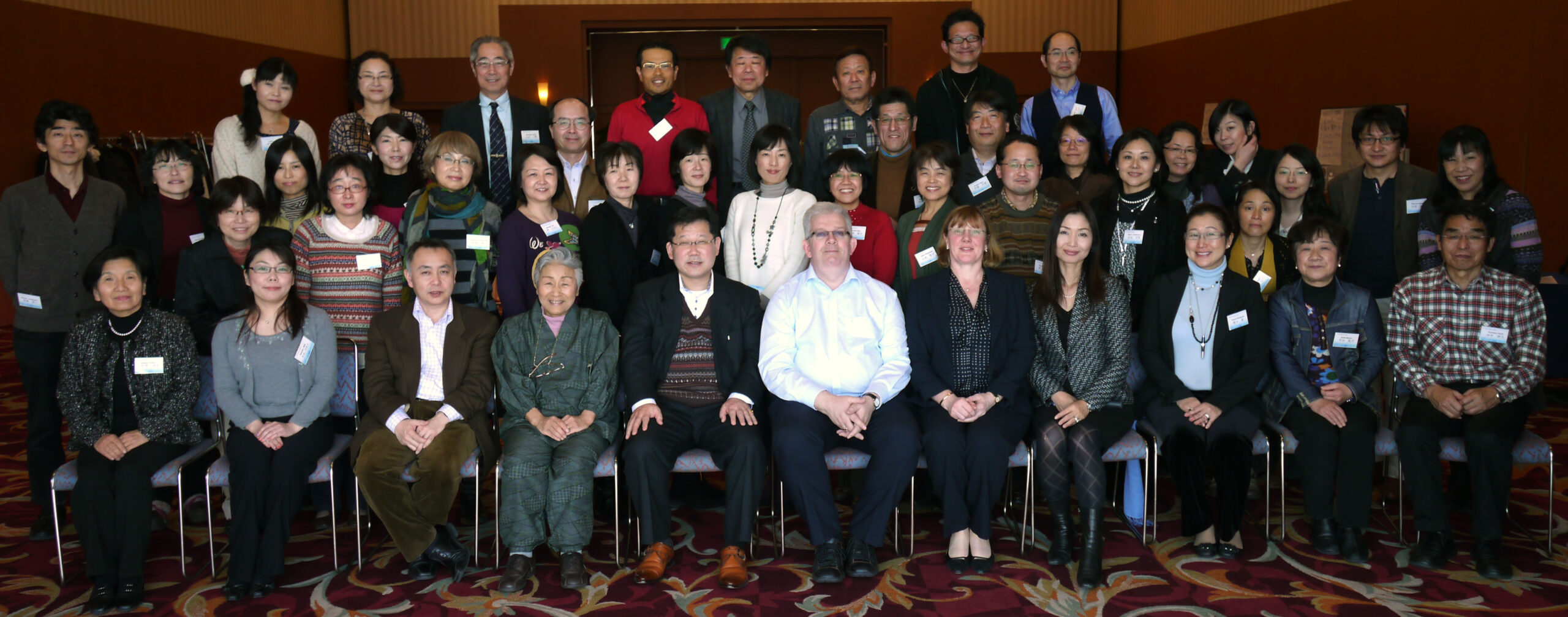
Frank’s brilliant original work is the driver for PCW, but PCW is far more multi-layered and requires a lot of practice and integration to develop the appropriate skills. Below is the group from many of my trainings in Japan for the PCW model
Provocative Change Works (PCW) Philosophy
Provocative Change Works also uses the “right here, right now” philosophy that Frank uses in Provocative Therapy and everything that occurs in the session is about what is happening in each moment and normally without many of the overt techniques used by some NLP practitioners.
There are many other differences between these two approaches, but it’s true to say that Frank Farrelly, Milton Erickson and an extensive study of metaphor work, including Andrew T Austin’s work, are the primary influences in creating the Provocative Change Works approach with astoundingly effective results. PCW also includes a lot of psychoeducation when working with clients that does not exist in PT, along with a great deal of trancework and metaphor exploration
I run trainings in both Provocative Therapy (in “the classical sense”) and my own “Provocative Change Works” approach. PCW is now much more expanded and below shows the lineage of this approach
- 2004 – first meeting with Frank Farrelly whose Provocative Therapy approach sparked the creation of the PCW model
- 2005 First hosting of annual events for Frank Farrelly
- 2006 – Invited by BBC radio to work with phobics for 26 consecutive weeks live in the BBC Leeds studio
- 2006 also marks the beginning of live PCW trainings which in subsequent years appeared regularly across the globe in Japan, India, USA, Hungary, Holland, Spain, Ireland, Israel, Switzerland, Austria, Poland, UK and Russia
- 2008 – Nick is invited by Robert Dilts to present at IASH in San Francisco
- 2010 Nick is hosted by Steve Andreas introducing PCW in the Advanced Master Training in Boulder Colorado
- 2011 – first of many trainings across India
- 2011 – a chapter on PCW is included in “Innovations in Nlp for Challenging Times” All profits go to Research & Recognition project
- 2012 – Steve Andreas includes a section on PCW including “The voice tempo exercise” in new book “Transforming Negative Self-Talk”
- 2012 – first training in Japan, which became the biggest country for PCW events, including the first PCW Prac training.
- 2019 Major live training in Moscow
- 2019 – first 1-year online training for PCW
- 2020 – first 1-year online training for Japan
- 2022 – first 1 year online training for Spain
- 2022 – creation of 2nd-generation PCW training with a 1-year online course
- 2022 – contracted by Leeds University for funded 1 – 1 and group PCW work for a 12-month period for senior academics
- 2023 – start of 3rd-generation PCW
- 2024 – The introduction of the core PCW CPD & R and D group
- Continued success with PCW with sports professionals, especially in martial arts
- The first online PCW training for Ukraine
- Oct – PCW Gen 4 trainings take place in Osaka
- Oct the PCW Gen 3.1 one-year course begins
- Starting to build the Provocative online global academy for PT and PCW
- Jan 2025 Major new online PCW trainings for Eastern Europe